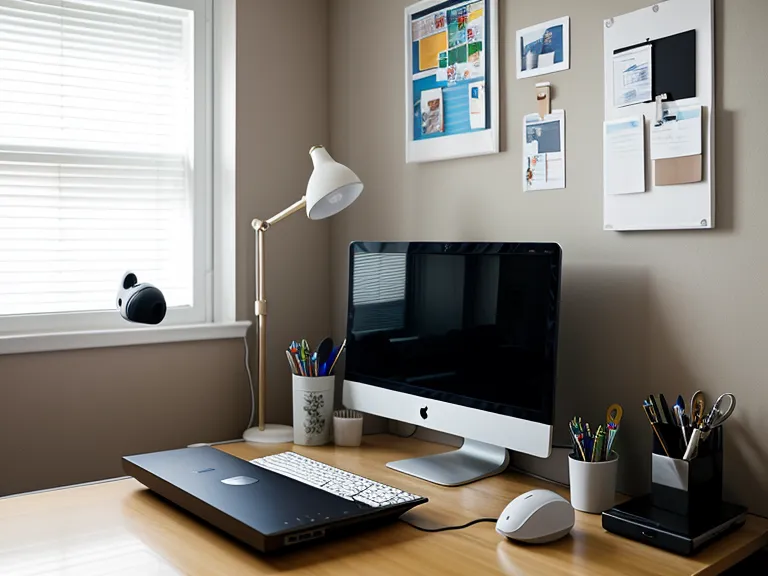
Three Pomodoro apps, running at once, on the same laptop — and I still ended up on YouTube between every single sprint. Total schedule freedom, somehow less actual rest than any cubicle job ever gave me; that's remote work summed up in one sentence. If you've stacked productivity tools like that, hoping one of them would finally stick, the pattern already gives it away: the tool was never the problem. Late-night screen fatigue, and the fog that shows up the next morning, doesn't come from a missing app — it comes from something most sleep hygiene and brain health advice skips completely.
The going theory — the one printed on every blue light glasses box — is that screens wreck your circadian rhythm through wavelength alone, and filtering the right slice of light makes the fatigue disappear. Productivity newsletters treat this like settled science. It isn't, not fully, and treating it that way is exactly why so many people buy the glasses, wear them dutifully, and still feel wrecked by midnight.
The Blue Light Myth Doesn't Hold Up
Here's the correction: light matters, but it's a smaller lever than the industry selling glasses wants anyone to believe. Treating night-time fatigue like a single bug with a one-line fix is exactly the trap; there's rarely one root cause worth debugging in isolation. The eye-strain side of screen fatigue, the sandy, dry feeling, is a separate problem with its own separate fixes, worth treating on its own terms. What keeps a nervous system revved late at night has less to do with photons than what's actually on the screen, and how a brain classifies it as threat or non-threat.
I own a pair of the orange-tinted ones. They sit in a drawer now, mostly because they never touched the actual reason I couldn't sleep — the deploy that was still running in my head, not the screen it ran on.
Tracking hours the way I once wrote about why I started tracking my focus hours like my billable hours ended up mattering more than any glasses purchase, mostly because guessing at what helped versus what just felt like it helped wasn't working.
The Real Driver Behind Late-Night Screen Fatigue
Stress is the fuel, not the light, closer to a memory leak than a brightness setting, something running quietly in the background whether or not the room lights are on. A production incident at 9 PM and a Wikipedia deep dive on melatonin at 9 PM hit a brain completely differently, even though the screen brightness is identical. One keeps a nervous system closer to a threat response; the other doesn't. That's also why brain fog gets confused with just not trying hard enough — it's not a discipline problem, it's a resourcing problem, and those need different fixes entirely.
None of this is the same problem as the 2 PM crash that hits somewhere between lunch and a third coffee, running on its own latency, separate from anything happening after dark. It's also not the specific exhaustion that comes out of back-to-back video calls, which drains a brain through a completely different mechanism than solo screen time does. Tab-hopping between a spec doc, three Slack threads, and a pull request comes with its own context-switching tax too, unrelated to backlighting. And remembering an entire planning conversation almost word for word, while forgetting what got eaten for lunch that same day, is a working-memory quirk, not a focus failure.
Your Brain Doesn't Know the Remote Workday Ended
When a laptop closes and the living room around it doesn't change at all, the brain never gets the signal that the job's done. The connection stays open even after the tab's closed, still eating bandwidth in the background.
A hard stop protects the recovery window that decides whether tomorrow starts clear or already half-depleted, and without one, work just keeps bleeding into whatever's left of the evening.
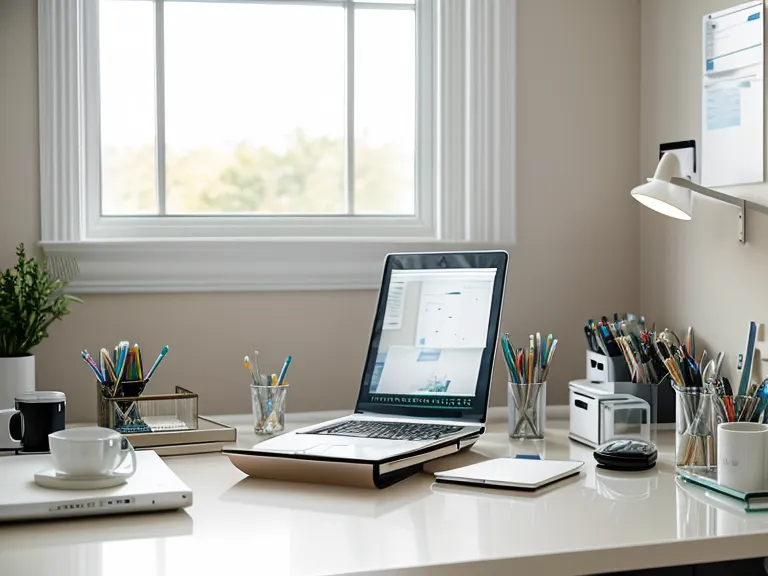
Some of that is about having a dedicated deep-work zone at all, a fixed spot a brain associates with "on," separate from wherever the unwinding happens, but even that only helps if you actually leave it once the day is over.
Noise-canceling headphones help, until a leaf blower two houses down decides to make itself known right through them anyway, which is its own argument for controlling what you hear during a work block, not just what you see on the monitor.
My former coworker Devraj Pillai, who sat two desks over from me back when we both still had desks, is better than I am at actually clocking out. He'll insist a good pour-over counts as a legitimate business expense and mean it, but he still shuts his laptop by six.
Building an Actual Wind-Down Sequence
Dimming the monitor further than the auto-brightness setting wants to go is the first move: bright enough to read, not bright enough to light up the room around it. Distance is the second: pushing a monitor back another six inches changes the angle the eyes have to hold, which takes some of the intensity off without any software involved.
Analog is the third, and it's deliberate. The last stretch of a work session goes to a paper notepad instead of a screen, tomorrow's list written by hand so nothing digital is the last input before bed. A version of that happens on weekends too, browsing actual shelves at Powell's Books on W Burnside St instead of opening another tab, no algorithm involved.
Hydration is the last piece, and it's easy to dismiss. A plain electrolyte mix in the evening, because ten hours in a dry apartment produces a headache that feels a lot like fatigue but isn't really about screens at all.
One standup stands out: running through three separate sprint updates from memory, with no notes in front of me. Not because memory suddenly improved, but because the nightly noise had finally quieted down enough for information to actually stick.
So Are Blue Light Glasses Useless?
Not useless, just not the fix. Keep the glasses if they genuinely help, but stop treating them as a substitute for managing the content and stress of an evening. The real test isn't what color a screen is; it's what was happening on it in the hour before trying to sleep. High-stakes, high-stress work an hour before bed keeps a nervous system wired no matter the tint. Low-stakes, low-arousal work usually doesn't, even under a fully bright screen.
Supplement timing is its own separate rabbit hole, and so is which ingredients in a stack are actually doing anything versus riding along for the marketing, different questions entirely. Getting into an actual flow state has its own set of triggers that have nothing to do with any of this. Morning light exposure anchoring a circadian rhythm for the following night is a whole separate lever, one that starts hours before a laptop ever opens.
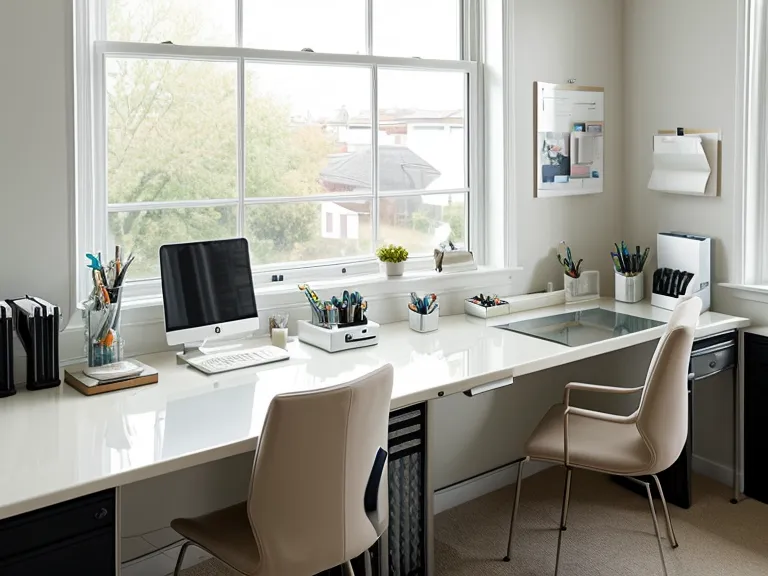
The morning side of this fix ties into how I finally stopped my living room from killing my coding focus, since screens at night are only half of a loop that starts at wake-up, not just at the moment the laptop finally closes.
Late-night mental fatigue was never really about a wavelength setting. It's deciding, on purpose, what kind of work gets to happen after dark, and building a few boring, screen-free minutes at the end of it so a brain gets a clear signal the day is actually over. Glasses are optional. The signal isn't.