
Standing outside in the cold and grey can actually fix a focus problem that three years of remote work quietly created: it's not just wellness-influencer noise dressed up as circadian rhythm focus advice. Freelancers in my corner of Portland ask me this more than almost anything else.
Quick disclosure up front: this post contains affiliate links, and if you buy through them I earn a commission at no extra cost to you. I'm not a doctor, just a dev who tests brain-health supplements and focus routines during actual client work, so check with a real professional before changing anything that affects your health.
Does Getting Morning Sunlight Actually Fix Remote Work Focus?
A member of a remote-work Slack community I'm part of — Liesel — asked me this outright in a thread: is the sunlight thing real, or just placebo with better branding? Short answer: yes, but not the way most "get outside" advice frames it. Your brain runs on something like an internal clock, driven by a small structure called the suprachiasmatic nucleus — think of it as the process scheduler for your whole nervous system. Skip the "day has started" signal and everything downstream runs late, including the version of me that missed two client deadlines in the same month before finally connecting the dots. Context-switching between tools before your brain has actually started the day adds its own tax on top of that, which is a separate rabbit hole I won't open here.
The practical test I use is simpler than any of this sounds: if getting outside for a real stretch of the morning changes how sharp I feel by early afternoon, I keep doing it. If nothing shifts after a few honest attempts, the problem probably isn't light at all — it's sleep, workload, or plain burnout, and no amount of standing in a yard fixes that. Not exactly a controlled study. Just a pattern I trust, and the clearest proof of it was a Monday standup where I ran through three sprint updates back to back, straight from memory, no notes open — something that would not have happened during the worst stretch of my slump.
The Grey Portland Sky Doesn't Change the Answer
Portland weather is exactly the objection I expect, since overcast is the default here for a good chunk of the year. Cloud cover doesn't erase the effect the way people assume — daylight through clouds still reads as meaningfully brighter to your system than any lamp in a living room, even if it doesn't feel that way squinting up at a wall of mist. I tried plenty of workarounds before I trusted that logic, including a stretch of brown noise and binaural beats playlists that actually helped for a bit before turning into background static I stopped noticing by the second week.
Honestly, that failed experiment is part of a longer list I've written up elsewhere — my year of brain fog covers the other things that didn't move the needle, if you want the full accounting.
My upstairs neighbor Yuki does virtual co-working with me a couple of mornings a week, and no matter what's actually bothering me — focus, a client fire drill, general burnout — they recommend the same three books. I still haven't read any of them. The co-working sessions themselves help more than the reading list ever would.
One physical tell I trust more than any app: if I reach for my coffee mid-task and the ceramic has gone stone cold in my hand, I know I was somewhere else mentally for a while — a state that barely existed for me before remote work turned every day into the same four walls.

The Audio Bridge for Foggy Mornings
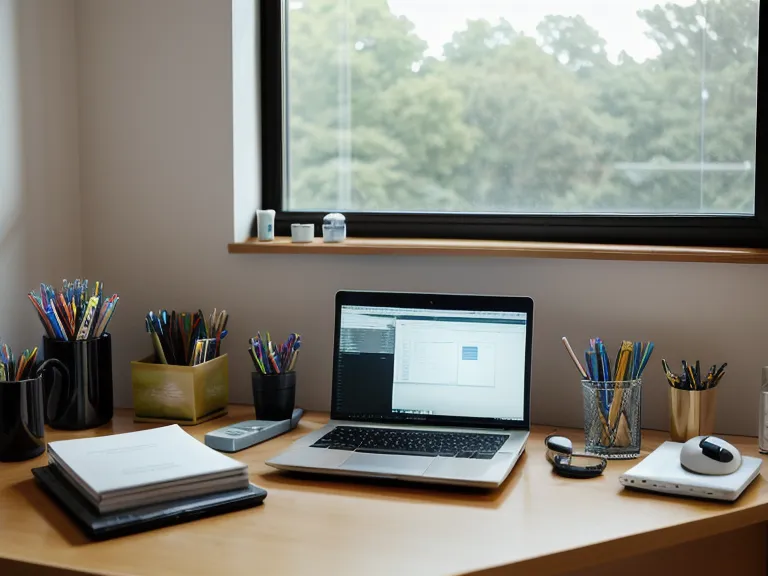
Sunlight alone took a while to click, and the early stretch leaning on it was genuinely rough. To bridge that gap, I started running The Brain Song through noise-canceling headphones during the first deep-work block after my morning walk around the Mount Tabor Park summit loop. It gave my brain a consistent audio cue for the window where the light hadn't finished doing its job yet, which mattered more on the mornings Portland refused to cooperate with the whole plan.
Supplement Timing Still Matters on Top of Sunlight
Supplements came up next, mostly because I got tired of assuming sunlight alone would fix everything overnight. On mornings with a genuinely dense logic problem waiting, I paired the walk with something more targeted than coffee — I've written separately about how I use NeuroPrime for the mid-morning crash specifically, and I won't rehash the ingredient mechanisms here since that's its own reference guide elsewhere. Most days, though, it's really just the light plus The Brain Song running in the background — less like stacking random tools and more like finally getting my environment variables set correctly before the first meeting starts.
Where Can You Read More About the Audio Side?
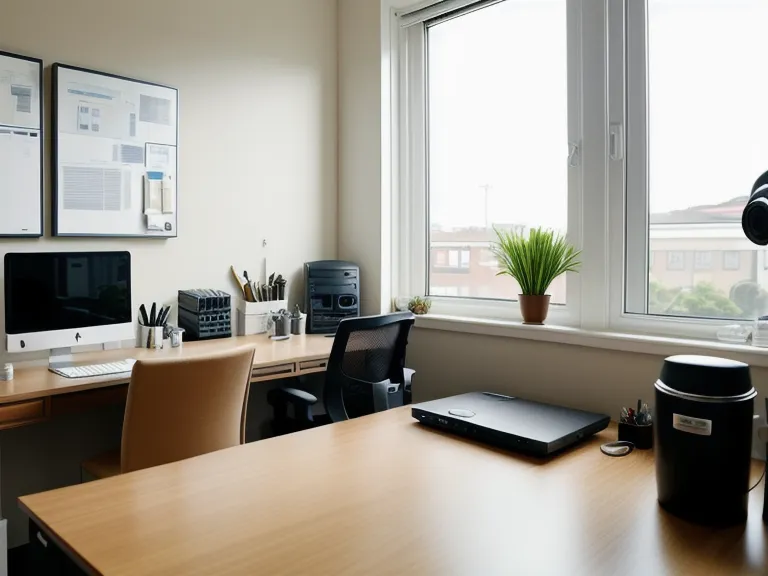
If the audio piece sounds interesting and you want more than a passing mention, I put together a longer review of The Brain Song that gets into how it actually fits a dev-style workflow instead of a generic wellness routine. That's the piece to read if you're deciding whether it's worth adding on top of the walk, versus just doing the walk and calling it done.
What If You Live Somewhere the Sun Barely Rises?
Look, not everyone reading this has a grey-but-present sun to work with, and that's a real edge case worth naming honestly. Anyone working remotely at extreme latitudes in winter — northern Scandinavia, parts of Scotland, that whole belt — is dealing with a circadian rhythm that takes a hit no matter how committed the morning walk is, simply because there's no meaningful sunrise to walk into for months at a stretch.
In that situation the artificial tools stop being optional extras and start being actual infrastructure — a light box people actually plug in and use, and something like The Brain Song running during the blocks that would otherwise be the foggiest. You can't manufacture a sunrise. You can manufacture the next best signal instead.

Start With Light, Not With a Cart Full of Supplements
None of this required a subscription to five different apps or a drawer full of unopened supplement bottles — it started with going outside before the first meeting, rain or not, which still feels like a small insult to a species that used to hunt mammoths and now can't handle forty-five degrees without complaining in the group chat. Not exactly rocket science. Just sunlight, and the willingness to actually go stand in it.
Zoom fatigue by mid-afternoon is its own separate animal with its own fixes, and brain fog isn't the same thing as laziness either — both longer posts of their own. What actually matters here is the order of operations: light first, everything else second.
Talk to your own doctor before adding any new supplement to your routine, especially with existing health conditions. But the walk itself is free and low-risk, and worth trying before spending money on anything else. If you want something to lean on for the deep-work block right after, The Brain Song is the one piece of audio gear that's actually stuck around in my routine instead of getting abandoned like everything else I tried.